# Applying Neuroaesthetics to Reduce Daily Mental Fatigue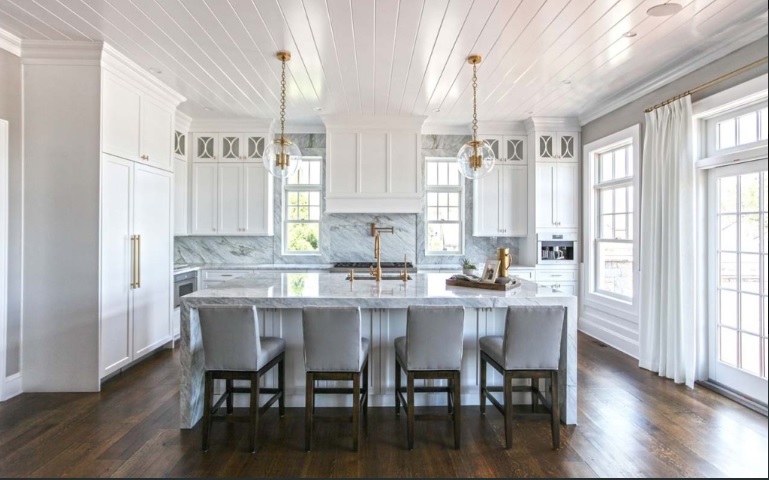
The human brain consumes a massive amount of energy processing visual environments. When a room is filled with chaotic, sharp angles and highly reflective synthetic surfaces, the visual cortex works overtime to make sense of the harsh geometry. This continuous processing leads directly to cognitive fatigue and mental fog before you even begin your day. Neuroaesthetics is the scientific study of how our brains react to physical spaces, and the clinical data proves that certain shapes and patterns physically calm the nervous system. Implementing these proven principles requires a complete shift from purely functional layouts to cognitively supportive architecture. To lower your daily mental load, the geometry of your home must be intentionally softened and grounded in natural mathematics.
Replacing sharp, ninety-degree corners with soft, sweeping curves immediately reduces visual tension. The human brain naturally prefers curves, processing them with significantly less effort than sharp, rigid grids. Curved islands, arched doorways, and softly rounded cabinetry profiles create an environment that feels biologically safe and inherently calming. Working with highly educated **[kitchen renovators near Ridgefield](https://kitchentraditions.net/kitchen-remodeling-ridgefield-ct/)** allows you to integrate these complex, sweeping forms perfectly into your property. They possess the advanced carpentry skills required to bend solid timber and shape heavy stone, turning rigid, stressful boxes into fluid, highly relaxing architectural forms that actively soothe the mind.
Furthermore, the human brain is hardwired to seek out fractal patterns. Fractals are repeating, self-similar mathematical patterns found everywhere in the natural world, from the branching of trees to the complex veins in a leaf. Staring at sterile, perfectly manufactured surfaces provides zero fractal engagement, leaving the brain under-stimulated and highly agitated. Introducing highly complex, natural materials completely solves this issue. Heavily grained walnut, highly figured marble, and natural quartzite are packed with organic fractal patterns. When you view these rich materials, your brain easily recognises the natural mathematics, triggering an immediate drop in cortisol levels and a profound sense of physical relaxation.
The way a room sounds and feels directly impacts your cognitive load just as much as its visual appearance. Hard, synthetic surfaces create a sharp acoustic echo that forces the brain to continuously filter background noise, draining your mental reserves. Introducing acoustic dampening materials, such as micro-perforated ceiling panels or softer cork flooring, absorbs these chaotic sound waves. This creates a deeply quiet environment where you can hold a conversation without raising your voice. Additionally, the tactile feedback of your surfaces matters immensely. Running your hand over the cold, dead surface of plastic laminate offers no sensory reward. Replacing these flat finishes with honed stone or wire-brushed timber provides a rich, grounding tactile experience that physically connects you to your environment.
Lighting must also be considered strictly through a cognitive lens. Standard recessed ceiling lights frequently cause a harsh, strobing effect that registers heavily on the brain, causing severe headaches and visual exhaustion. A cognitively supportive layout relies entirely on diffused, layered illumination. Bouncing light off the ceiling or washing it down textured walls creates a soft, ambient glow that eliminates sharp shadows and high-contrast glare. By demanding curved geometry, natural fractal materials, and deeply diffused lighting, you actively engineer an environment that lowers your heart rate. You transform your property into a highly supportive, mentally restorative retreat that protects your long-term cognitive health.
Conclusion
Rooms filled with sharp geometry and synthetic surfaces force the brain to overwork, causing severe daily mental fatigue. By integrating sweeping curves, natural fractal patterns in wood and stone, and layered acoustic dampening, you build an environment that physically calms the nervous system. This scientific approach to design transforms a stressful room into a deeply restorative cognitive sanctuary.
Call to Action
Protect your mental energy and reduce daily fatigue by engineering a cognitively supportive, beautiful home environment. Speak with our architectural experts to apply the proven principles of neuroaesthetics to your property.
Visit: https://kitchentraditions.net/